Running a startup is like navigating with a foggy windshield. You can’t predict the future, but you can prepare for it. That’s where scenario planning comes in. You don’t need to be a spreadsheet wizard to get started.
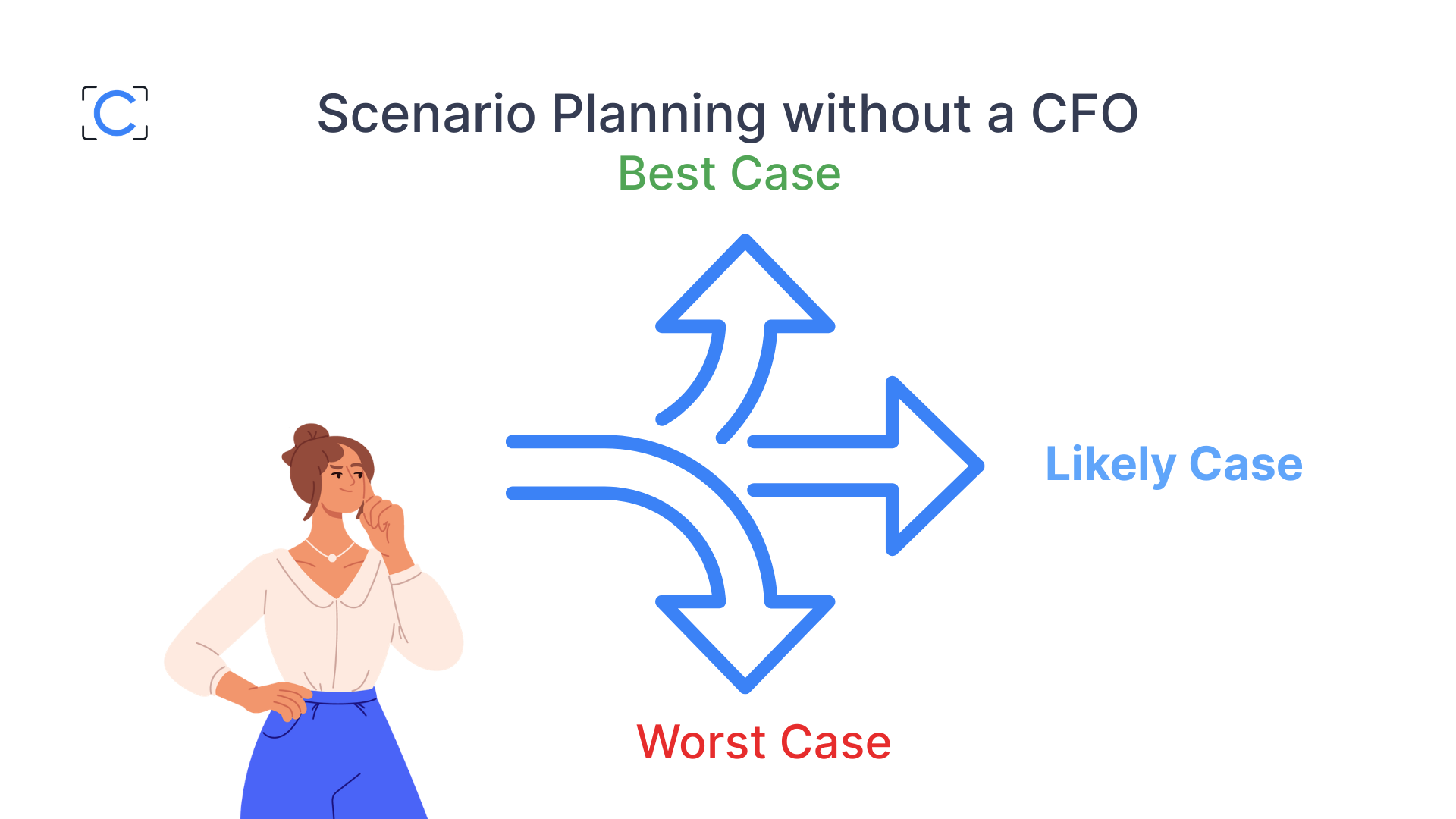
Just a simple framework where you ask, what happens in the worst case, the best case, and the expected scenario?
Let’s break it down.
What Is Scenario Planning for Startups?
Most founders set out with one financial plan: the “base case.” But real life rarely sticks to the script. At its simplest, scenario planning means creating a few versions of your financial plan: best, worst, and most likely. You map how your numbers shift under each situation and prepare strategies to respond.
While budgeting helps you set a plan at the start of the year and accounting looks at what has already happened, scenario planning asks “What if churn spikes or we close funding late?”
Founders should start doing scenario analysis as soon as they raise their first round or start generating meaningful revenue. That’s when the “what ifs” become real risks and opportunities.
Scenario Planning Is Part of Everyday Life
What do you do when you’re planning a vacation?
Book flight tickets → Book your accommodation → Plan the perfect itinerary → Pack your bags and leave
Of course not.
What if your flights get cancelled, your hotel does not match the photos and description, the weather gets really bad and you can’t go out?
On the other hand, what if you get an upgrade on your flight, you get the sea view room in the hotel, discover hidden gems on an unplanned hike?
We’re conditioned to plan for all of these scenarios, so it only makes sense to do it for your company’s finances.
Steps to Build Scenarios Without a CFO
You don’t need a finance team to get this right. Start simple:
- Build a cash flow forecast (see our guide on forecasting).
- Identify your key levers:
- Revenue growth rate
- Hiring pace (salary burn)
- Cloud costs that scale with user growth
- Marketing spend efficiency ( CAC)
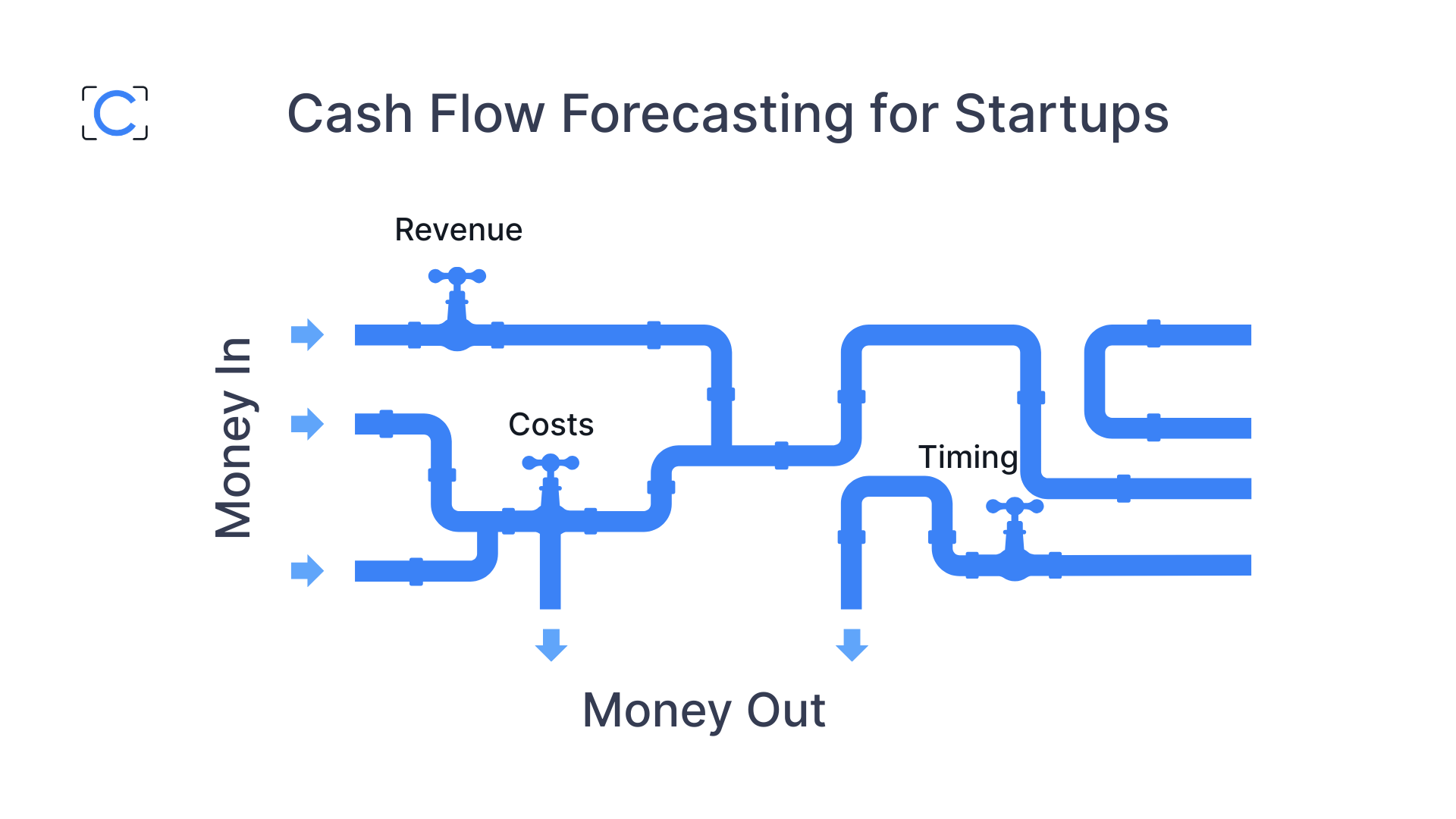
- Timing of cash inflows and outflows
- Run the numbers for best, worst, and most likely scenarios.
- Keep it lean. Focus only on levers that move the needle, don’t waste time tweaking 100 assumptions.
This way, you’ll have three versions of your future without drowning in spreadsheets.
Turning Scenario Planning Into Strategy
The real value of scenario analysis is in the decisions it drives.
- Short runway? Delay non-essential hires, trim subscriptions, review cloud spend.
- Growth ahead of plan? Double down on ads or bring senior talent sooner.
- Fundraise six months away but runway only four? Plan a bridge or cut discretionary spend now.
This is also what investors want to see. A founder who has scenarios ready looks sharper, more credible, and in control.
Tools That Make Scenario Planning Easy
Sure, you can do this in Excel. But spreadsheets break, take hours to update, and don’t always give you the clarity you need.
That’s why we’re building CapitalSnapshot, a founder-friendly way to stay on top of your finances.
- Connect your bank or accounting data
- Automatically generate good, bad, and worst case scenarios
- Update forecasts instantly when conditions change
👉 See your runway and scenarios in minutes. Build your data room.